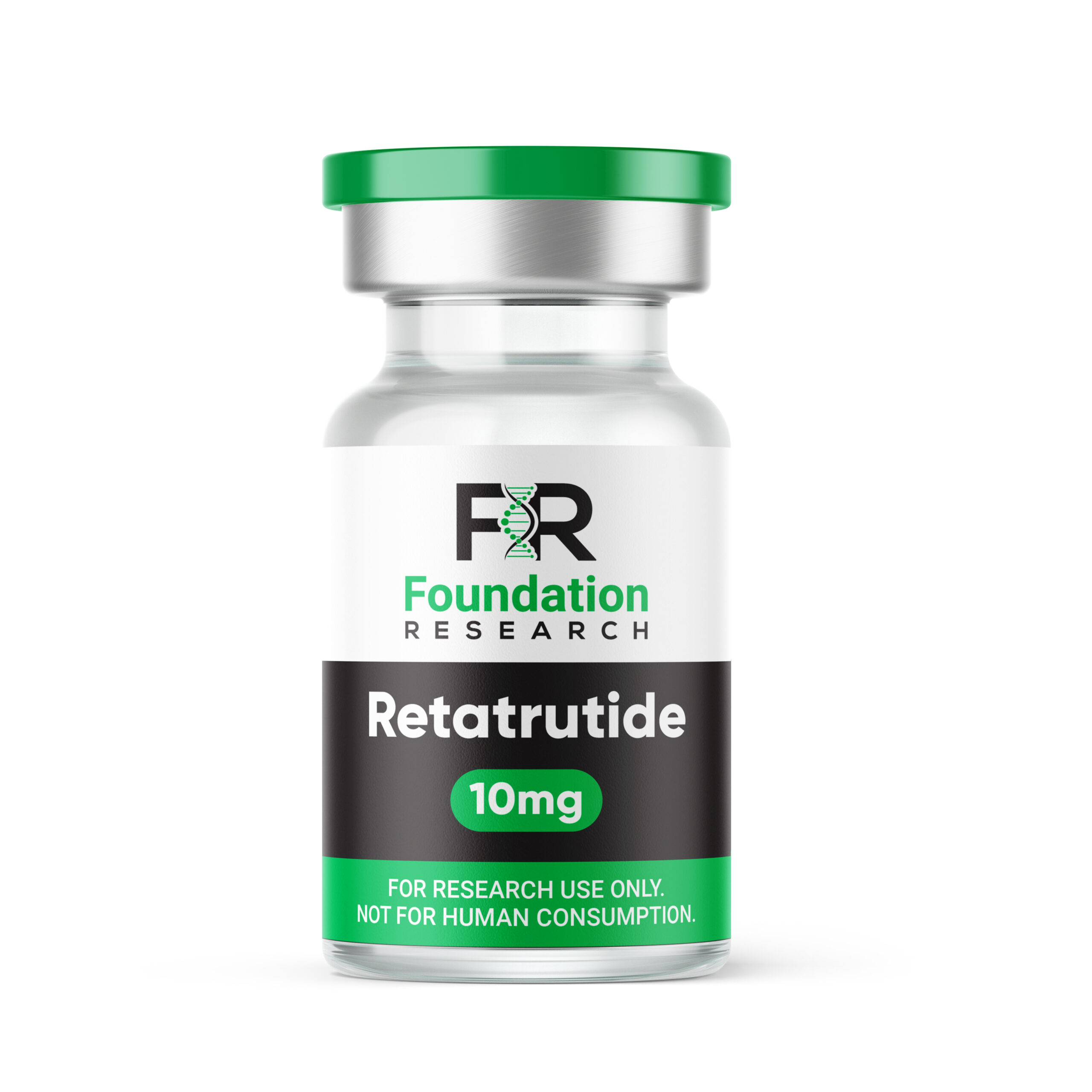
Product Overview:
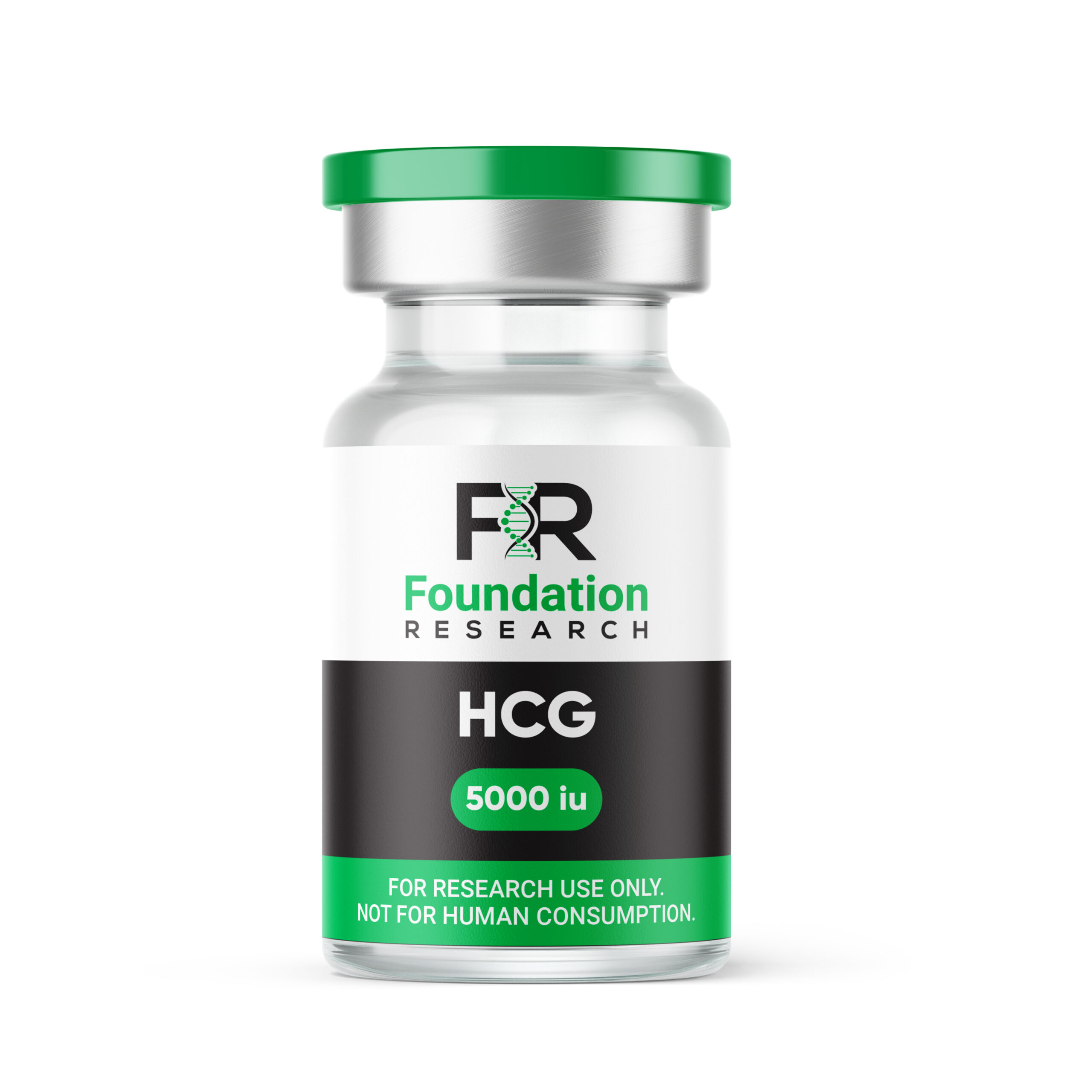
Human Chorionic Gonadotropin (HCG) is a naturally occurring glycoprotein hormone primarily produced by placental trophoblast cells during early pregnancy. It consists of an α and β subunit, which together form a biologically active hormone with essential roles in reproductive physiology.
HCG shares structural and functional similarities with Luteinizing Hormone (LH), binding to the same receptors that stimulate steroidogenesis and regulate gonadal function.
Key Features:
- Natural Hormone Structure: Composed of a heterodimeric glycoprotein with a molecular mass of approximately 36.7 kDa.
- Lyophilized Powder: This product is provided as a stable, high-purity lyophilized peptide, ideal for laboratory research and biochemical studies.
- Biological Activity: Reflects the physiological effects of human chorionic gonadotropin, specifically engaging LH receptors in experimental conditions.
Mechanism of Action (Research Context):
HCG interacts with LH receptors (part of the G‑protein‑coupled receptor family), stimulating key signaling pathways involved in steroid hormone biosynthesis and gonadal function. It serves as an important model hormone for studying LH-like signaling, reproductive endocrinology, and steroidogenesis.
Common Research Applications:
- Reproductive Endocrinology Studies: Exploring pathways and pharmacology related to LH receptor activity.
- Steroid Hormone Synthesis: Investigating steroidogenesis and gonadal signaling in cellular or animal models.
- Dose-Response Studies: Understanding the relationship between glycoprotein hormones and receptor engagement.
- Comparative Studies: Comparing endogenous hormone activity with recombinant HCG.
Biological Profile:
- Hormone Class: Gonadotropin Glycoprotein
- Composition: Two-subunit protein hormone, featuring a shared LH α-subunit and a unique β-subunit.
- Activity: Mimics luteinizing hormone-like physiological effects in laboratory research settings.
Usage Note:
This product is intended solely for research and laboratory use. It is not approved for any human or veterinary therapeutic, diagnostic, or clinical purposes. Always adhere to appropriate laboratory handling, safety protocols, and storage requirements when using peptides.